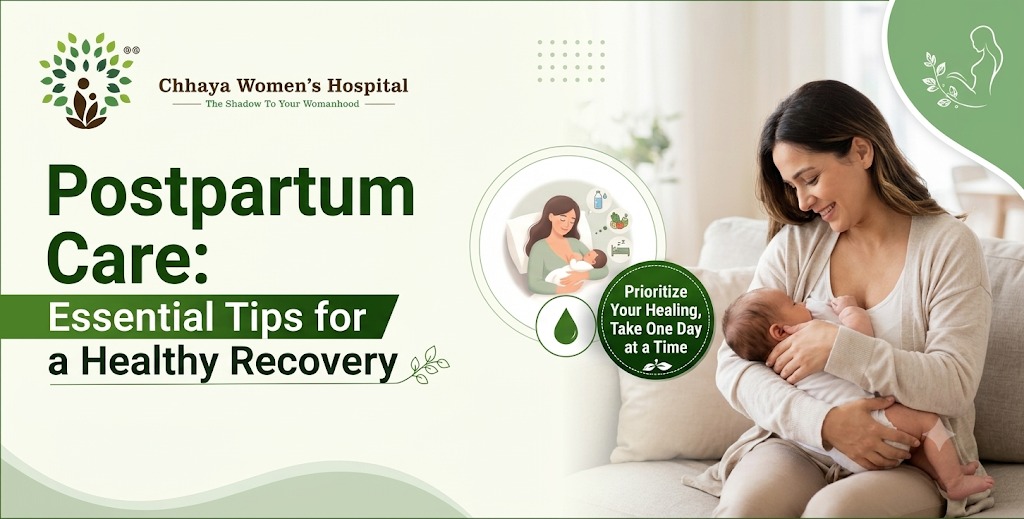
Postpartum Care: Essential Tips for a Healthy Recovery
Author: Chhaya Women's Hospital
Date: 2026-11-19
Being a mother is an absolutely beautiful experience; however, the period that comes after giving birth is accompanied by many changes. Nine months of pregnancy followed by the birth itself require plenty of time for a mother’s body to recover and regenerate.
Postpartum care is extremely important in order to restore your strength, keep your mind healthy and avoid various problems. No matter whether you have had a normal birth or Caesarean section, you should follow correct postpartum care procedures in order to stay healthy.
If you want to learn about the right postpartum care tips from the Best Gynaecologist in Ahmedabad, this information is exactly what you need.
What Is Postpartum Care?
Postpartum care can be defined as the process of looking into medical requirements, physical recovery, and emotional wellness that a woman requires post-birth. In general, it starts right after delivery and lasts for weeks or even months.
The body of a woman goes through certain changes such as:
● Hormonal changes
● Vaginal bleeding (Lochia)
● Breast changes and difficulties in breastfeeding
● Weakness in the abdomen and pelvic area
● Discomforts in perineum/C-section wound
● Changes in sleep and energy levels
● Mood swings
Consultation with a skilled gynaecologist will help in keeping track of the postpartum recovery process.
10 Critical Tips for Health Postpartum Recovery
1. Focus on Getting Adequate Rest and Sleeping
Sleep helps your body heal and recover from the delivery process. However, caring for your newborn can interfere with your sleep; therefore, you should rest whenever the baby is asleep.
Ask your partner and other family members to help with various tasks around the house and caring for the child. You should avoid exhausting yourself physically, particularly in the first few weeks after delivery.
2. Eat Well and Take Nutrition
Healthy food will help you to recover tissues, restore energy levels, and get necessary elements for breastfeeding women.
Your diet should contain the following products:
● Fruits and green vegetables
● Fiber and whole grains
● Protein food: pulses, eggs, dairy products, etc.
● Seeds and nuts
● Foods rich in iron and calcium
● Water and fluid in enough quantities
Consult your physician on dietary supplements if needed.
3. Drink Water
Consuming an adequate amount of water is vital in ensuring good health, aiding in digestion, and in breastfeeding as well.
Have a bottle of water handy when you are breastfeeding. Add some nutritious beverages like soups to your list.
4. Proper Management of Cesarean Delivery/ Vaginal Delivery
The management of your wound properly is vital in preventing infections.
After vaginal delivery:
● Keep the perineum clean and dry.
● Replace the sanitary pads frequently.
● Observe your doctor’s guidelines concerning the sutures and pain management.
● Avoid performing activities that put extra pressure on the site.
After Cesarean delivery:
● Ensure the wound area is hygienic and water-free.
● Refrain from lifting heavy items.
● Stick to the recommended wound-care procedures.
● Make sure to be present on doctor's appointments.
Call up your medical practitioner in case you observe intensifying pain, swelling, heat, or inflammation.
5. Gently Introduce Physical Exercise
Mild physical exercise could be of benefit to improving circulation, facilitating recovery, and restoring muscle strength.
Gentle walking may be introduced when your physician feels that it is safe for you to do so. Exercises to increase pelvic muscle strength after pregnancy may also be beneficial.
Intense physical exercise should be avoided until further notice from your physician.
6. Ensure Proper Breastfeeding Techniques
Your baby receives necessary nutrition through breastfeeding, but mothers face problems like sore nipples, engorged breasts, or problems latching.
For comfortable breastfeeding:
● Keep yourself in a comfortable posture for feeding.
● Make sure that your baby latches properly.
● Drink enough water.
● Take help from a lactation specialist if breastfeeding is uncomfortable for you.
Consult a doctor if you face breast tenderness, pain and fever.
7. Take Care of Your Emotions
It’s not just the physical aspect that concerns you after the childbirth. Hormones fluctuation, lack of sleep, and all the tasks of raising a child may have an impact on your emotional state.
The majority of women undergo temporary fluctuations of moods, which are referred to as baby blues. But constant sadness, anxiety, hopelessness, or inability to bond with the baby could be signs of postpartum depression.
Do not ignore this problem and talk about it with your relatives and doctor.
8. Go for Regular Postpartum Check-Ups
Check-ups after childbirth are essential to ensure that you recover effectively from the whole process.
Your gynaecologist will check:
● Uterine recovery and postpartum bleeding
● Recovery of the body from any injury incurred during delivery
● Blood pressure and other health issues
● Breastfeeding problems
● Your pelvic floor condition
● Psychological well-being
● Birth control and future planning
The first postpartum visit should ideally take place within the first three weeks while a full postpartum examination should take place within the 12-week period after delivery.
Selecting the Best Obstetrician in Ahmedabad will guarantee you all the needed medical advice during your recovery process.
9. Avoid Doing Strenuous Tasks and Obey Your Doctor
Your body requires some time to regain its strength. Therefore, do not rush back to your normal domestic schedule and doing strenuous activities.
Obey your doctor on physical exercises, medication, sexual intercourse, and resumption of work.
Note that the recovery period for each lady is unique; thus, avoid comparing yourself with others.
10. Accept Assistance and Establish a Support Team
Parenthood will bring some additional responsibilities, but you don’t have to cope with everything by yourself.
Use assistance from your partner, family members, and friends. Delegating some duties for the baby's care is a good way to decrease stress level and devote time to your rehabilitation.
Psychological support and comfortable conditions at home are crucial for your successful recovery.
Why Postpartum Medical Advice Matters?
There is no uniform childbirth and recovery process for women; some moms recover faster whereas others might need more medical care due to complications, C-section birth, hormones and other health-related reasons.
Visiting the best gynaecologist in Ahmedabad will ensure that every mother gets personalized advice about her past medical record, childbirth experience and recovery process.
A skilled gynecologist will give you advice on diet, breastfeeding, wound management, exercise, psychological wellbeing, and future pregnancies.
Chhaya Women's Hospital offers moms an option to get professional advice on all matters concerning their postpartum health.
Post Partum Care at Chhaya Women's Hospital
Being a mother is always a fresh start, and each mother needs care, comfort, and attention in her journey.
Chhaya Women's Hospital specializes in women's healthcare, prenatal care, childbirth, and postnatal care. Under proper medical consultation and frequent follow-up, mothers will be able to know more about their recovery process and make necessary actions for their well-being.
If you are looking for a reliable Women's Hospital in Ahmedabad or a skilled best obstetrician in Ahmedabad, timely medical advice can definitely make a significant difference in your postpartum recovery process.
FAQs
1. Which facility in Ahmedabad provides postpartum care?
Chhaya Women's hospital renders maternity and gynaecological services to help mothers during the recovery process.
2. Is it possible to breastfeed as soon as you give birth?
Most of the time, breastfeeding can commence right after delivery, especially when it is guided by health professionals.
3. When does the uterus return to normal size?
In most cases, it will take about 6 weeks for the uterus to start shrinking back to normalcy.